Miami-Dade Shed Size Without Permit – Rules & Requirements

.webp)
Table of Contents
Many homeowners in Miami-Dade County add backyard structures for storage, hobby use, or a more private place to work. Options range from a simple shed to an outdoor office shed or larger studio sheds designed for more flexible everyday use. Before installing any structure, though, it is important to understand Miami-Dade shed requirements, permit rules, and zoning regulations.
One of the most common questions is the maximum shed size allowed without a permit in Miami-Dade County. This guide explains the key size limits, setback rules, and code requirements, while also showing how sheds compare with ADUs and a more dedicated studio office shed setup.
Maximum Shed Size Without Permit in Miami-Dade County
Under the Florida Building Code (FBC), which is adopted by Miami-Dade County, detached accessory structures under 200 square feet may not require a building permit if they meet certain conditions.
In most cases, a shed may be permit-exempt if it:
- is 200 square feet or smaller
- is one story
- does not include plumbing
- is used for storage or non-habitable purposes
- does not attach to the main house
This is why searches for the maximum shed size without permit in Miami-Dade County typically point to the 200 sq ft threshold.
However, even if a shed is under 200 square feet, other zoning rules may still apply. Miami-Dade zoning regulations can limit:
- how close the structure can be placed to property lines
- how tall the structure can be
- how much of the lot can be covered by accessory buildings
If electricity, plumbing, or air-conditioning systems are installed, the structure may require electrical permits, mechanical permits, or full building permits, even if the shed is small.
Because of these factors, homeowners should always confirm the requirements with their local municipal building department, since Miami-Dade zoning enforcement often happens at the city level.
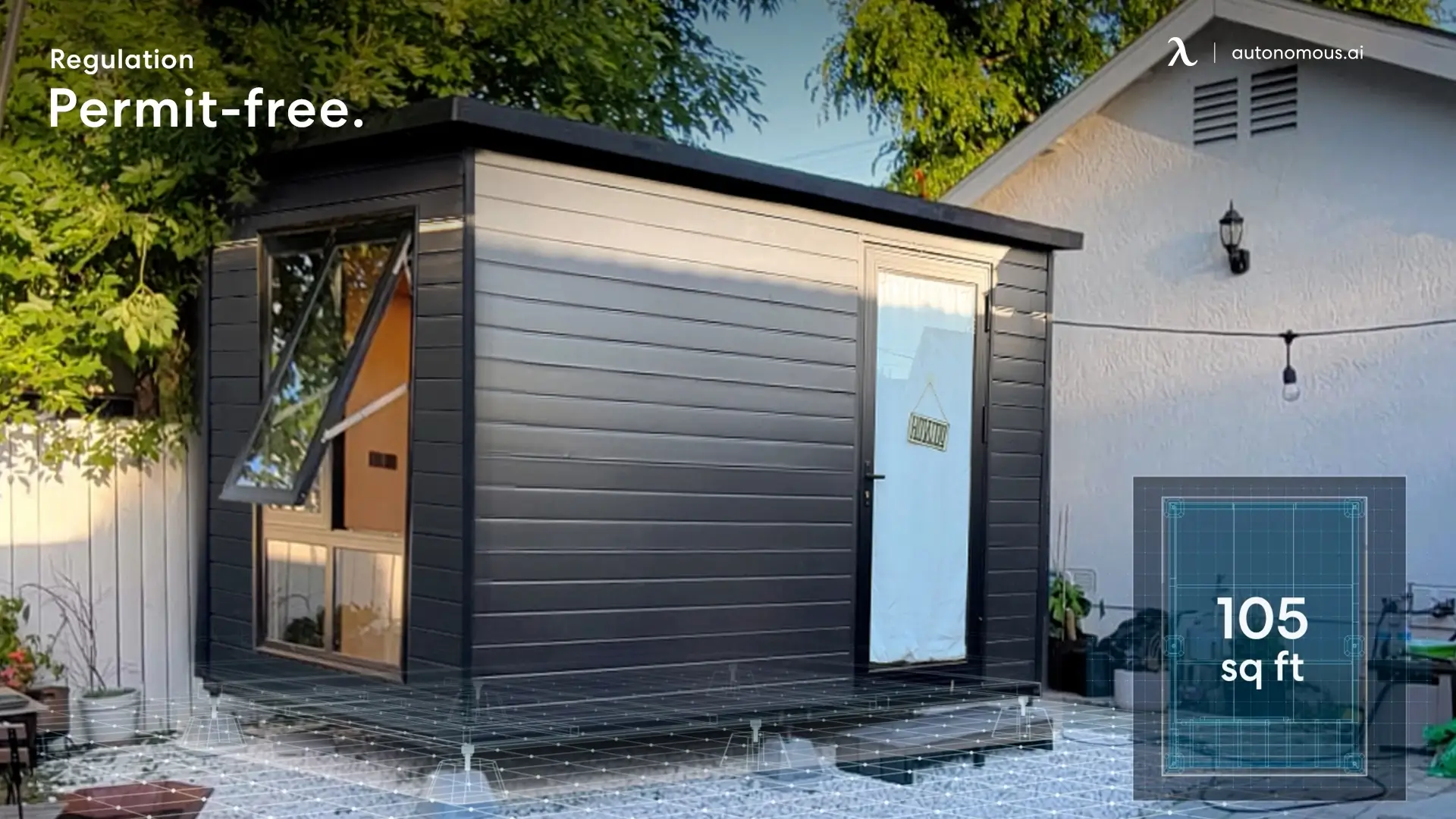
Miami-Dade Shed Requirements
Sheds in Miami-Dade County are classified as accessory structures under local zoning regulations. These structures must follow specific rules to ensure they do not interfere with property boundaries, neighborhood safety, or hurricane resilience.
Typical shed requirements in Miami-Dade County include:
1. Structure size
Small sheds under 200 sq ft may qualify for permit exemptions depending on use and placement. That makes size one of the first things to evaluate before choosing a backyard structure.
For many buyers, a 10x10 office shed is a compact starting point that stays close to the common permit-free range. A 10x12 office shed offers more working room while still remaining relatively small.
Homeowners comparing lifestyle-focused backyard spaces may also look at she shed sizes or a 10x12 she shed to understand how much space different layouts provide.
2. Height limits
Accessory structures in many residential zones are typically limited to 10–15 feet in height, depending on zoning classification.
3. Placement restrictions
Sheds are usually required to be placed within the rear yard area, and most zoning codes do not allow them in the front yard of residential properties. These rules help maintain neighborhood spacing, visibility, and access.
Placement regulations may also affect how many accessory structures are allowed on a lot. Questions like how many sheds can I have on my property often depend on zoning limits and lot coverage rules.
On larger lots, it is sometimes possible to install multiple structures with thoughtful planning. Some layouts even include two sheds in the backyard to separate storage, work, or hobby space.
4. Lot coverage limits
Accessory structures must not exceed the maximum lot coverage percentage allowed under local zoning.
5. Storm resistance
Because Miami-Dade County is located in a high-wind hurricane zone, sheds must meet wind-load requirements of the Florida Building Code, which often requires structural reinforcement or approved construction methods.
This is one reason many buyers compare backyard structures with other storm-rated options, including hurricane-proof prefab homes in Florida, to understand how different building types handle severe weather.
Questions about durability also come up with other factory-built structures. For example, many people ask whether manufactured homes are safe in Florida when evaluating wind resistance and code compliance in coastal regions.
These requirements help backyard structures remain safer during the severe weather events common across South Florida.
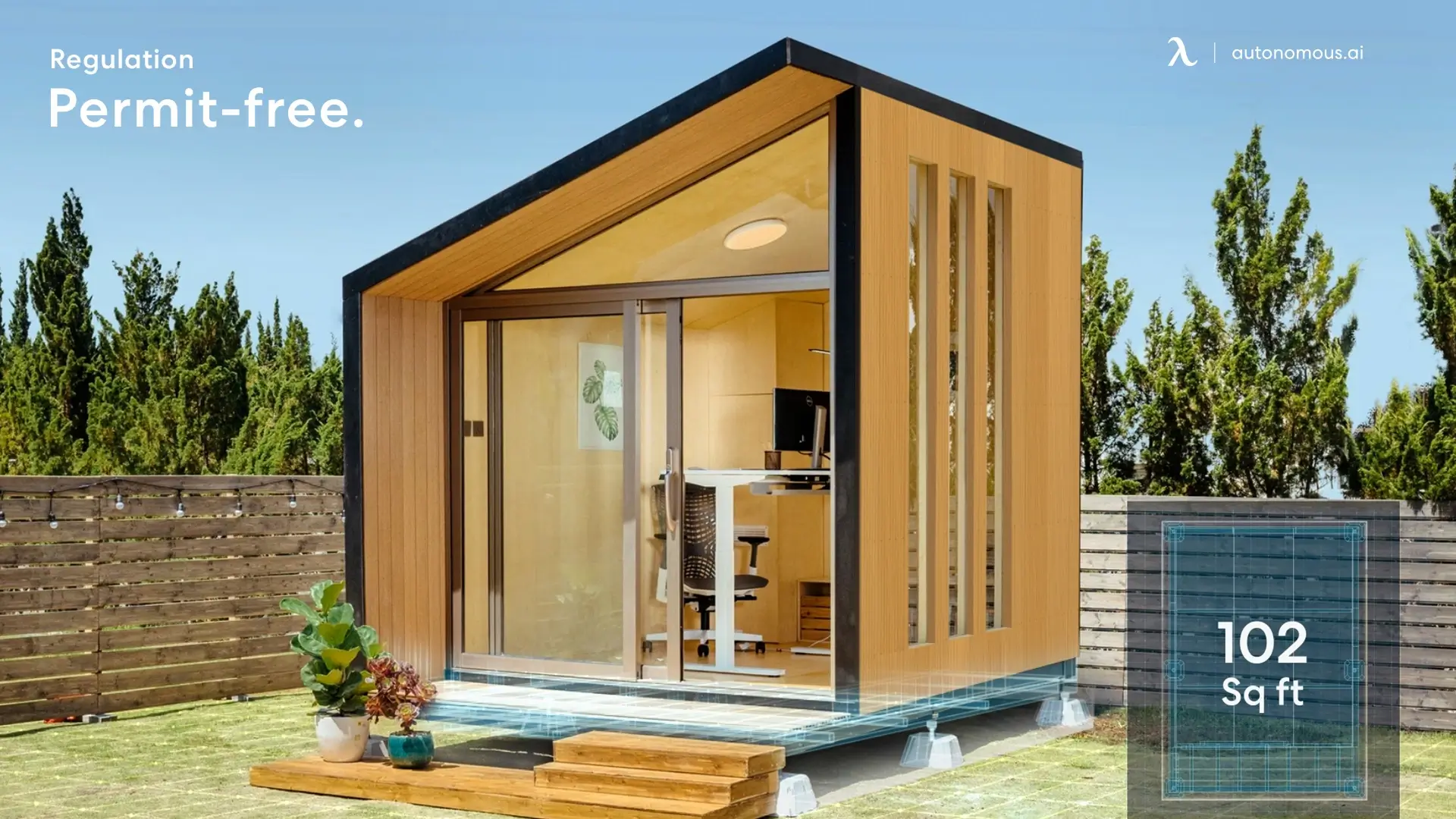
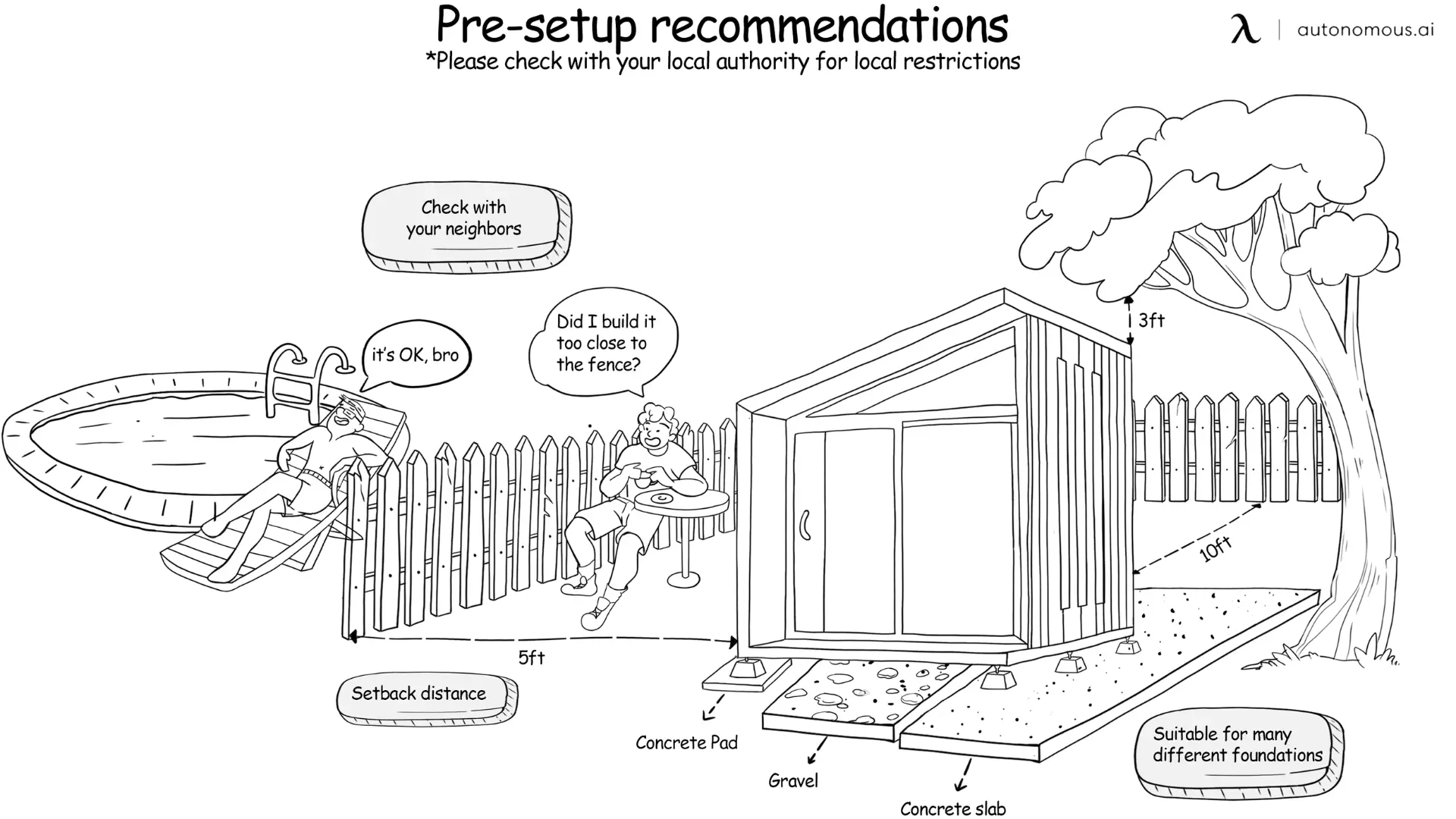
Miami-Dade Shed Setback Requirements
Another key factor when installing a shed is setback distance. Setbacks determine how far a structure must be placed from property boundaries or other buildings.
Typical setback rules for sheds in Miami-Dade residential areas include:
- Rear setback: commonly 5 feet from the rear property line
- Side setback: often 3 to 5 feet from side property lines
- Distance from main house: may require 5 feet or more, depending on zoning
However, setback rules can vary depending on the specific zoning category of the property, such as:
- RU-1 (Single-Family Residential)
- RU-2 (Two-Family Residential)
- EU (Estate Residential)
Additionally, structures cannot be built within utility easements, drainage areas, or required open space zones.
Because zoning districts vary across Miami-Dade County and its municipalities, homeowners should check with the local zoning office before installing a shed.
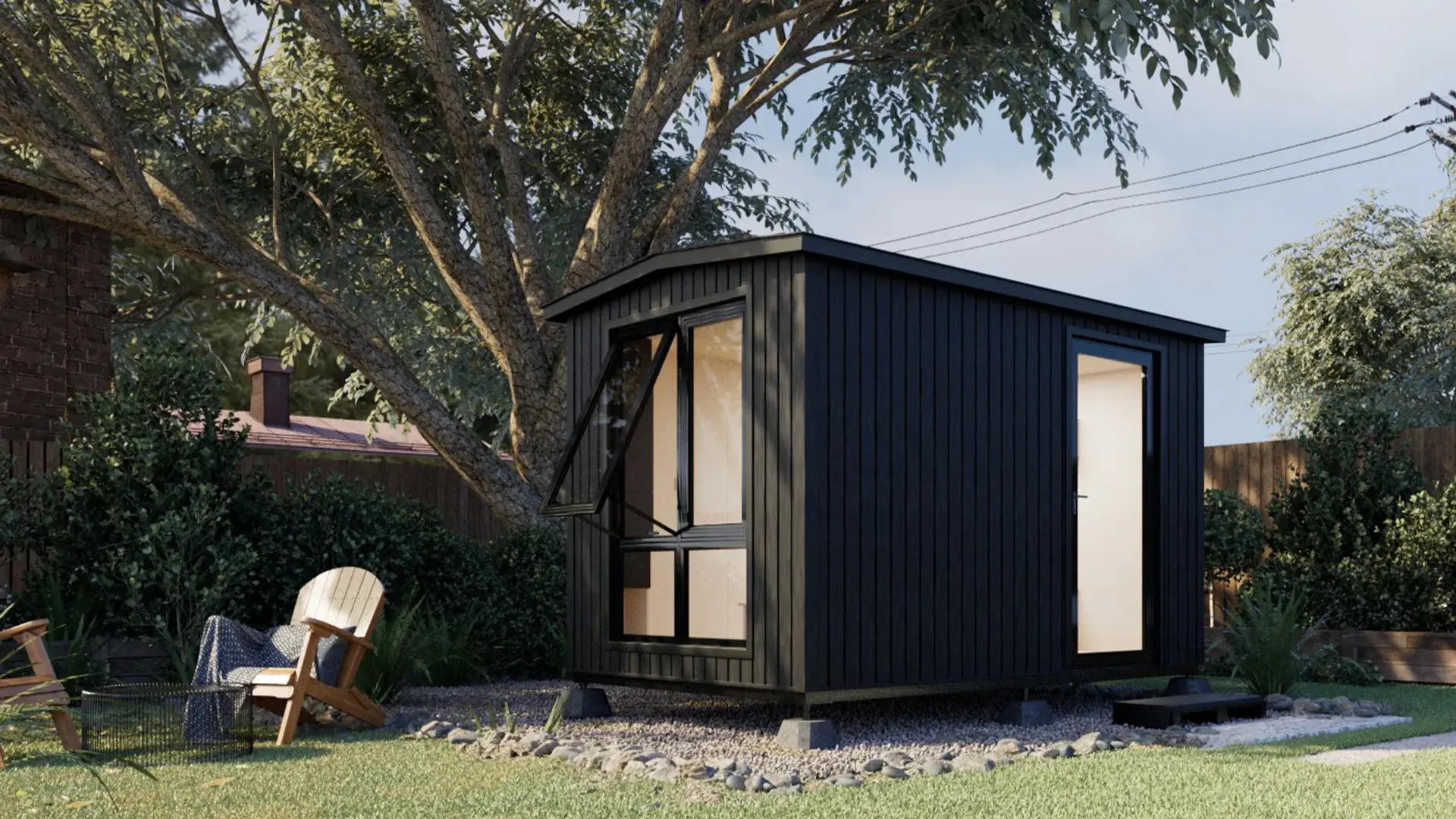
Shed Prices in Miami
The cost of installing a shed in Miami depends on the structure size, materials, and whether the unit is custom-built or prefabricated.
Typical shed prices in Miami include:
Shed Size | Average Cost |
100–150 sq ft shed | $1,500 – $4,000 |
150–200 sq ft shed | $3,000 – $6,000 |
Custom hurricane-rated shed | $6,000 – $12,000+ |
Several factors can affect the final cost. Preparing the base is one of the first steps, whether using gravel, concrete, or a skid foundation for a shed. Proper ground preparation for a shed is also important to prevent shifting or drainage issues over time.
Material choices can also impact pricing. Some people look for the cheapest siding option for sheds, while others compare the typical she shed cost or the cost to build a studio shed for a more functional backyard space.
Additional upgrades can increase the total investment. Some backyard offices include electricity in a shed, which may require learning how to run power to a shed and obtaining the necessary electrical permits.
In some cases, a shed may even be converted into a small living or work space. For larger projects, it helps to understand the typical shed to house conversion cost before starting.
Because Miami-Dade County has strict building codes and hurricane wind-load requirements, sheds in South Florida can sometimes cost more than similar structures in other parts of the country.
ADUs in Miami-Dade County
While sheds are used primarily for storage or workspace, Accessory Dwelling Units (ADUs) are designed as residential living spaces.
A backyard ADU is a secondary housing unit on the same property as the primary residence. Unlike sheds, ADUs must comply with full residential building standards.
ADU regulations in Miami-Dade County typically address:
- minimum lot size
- parking requirements
- utility connections
- building permits
- residential safety standards
Prefab ADUs in Florida usually range from 400 to 1,200 square feet, depending on zoning and property size.
Because ADUs include kitchens, bathrooms, and sleeping areas, they must comply with full residential codes, making them more complex to build than sheds.
Tiny House vs ADU vs Shed
When comparing backyard structures, it helps to understand how tiny houses, ADUs, and sheds differ in size, permits, and intended use. For example, typical tiny house dimensions usually range between 100 and 400 square feet, while ADUs and sheds follow different zoning and building requirements.
Structure | Typical Size | Permit Requirements | Intended Use |
Tiny House | 100–400 sq ft | Usually requires full residential permits if placed on a permanent foundation | Small residential dwelling |
ADU (Accessory Dwelling Unit) | 400–1,200 sq ft | Requires zoning approval, building permits, and residential code compliance | Secondary housing unit |
Shed | Up to ~200 sq ft | May be permit-exempt if used for storage and meets local rules | Storage or utility structure |
Some backyard sheds are also designed for more specific uses. A granny shed may be adapted as a small guest space, while a we shed can serve as a shared relaxation area. Others turn backyard structures into creative spaces such as a homeschool shed for quiet learning or remote education.
Backyard Spaces Beyond Storage
Not every backyard structure needs to function as housing or basic storage. In many cases, the goal is to create a dedicated space for hobbies, creativity, or focused work without building a full residential unit.
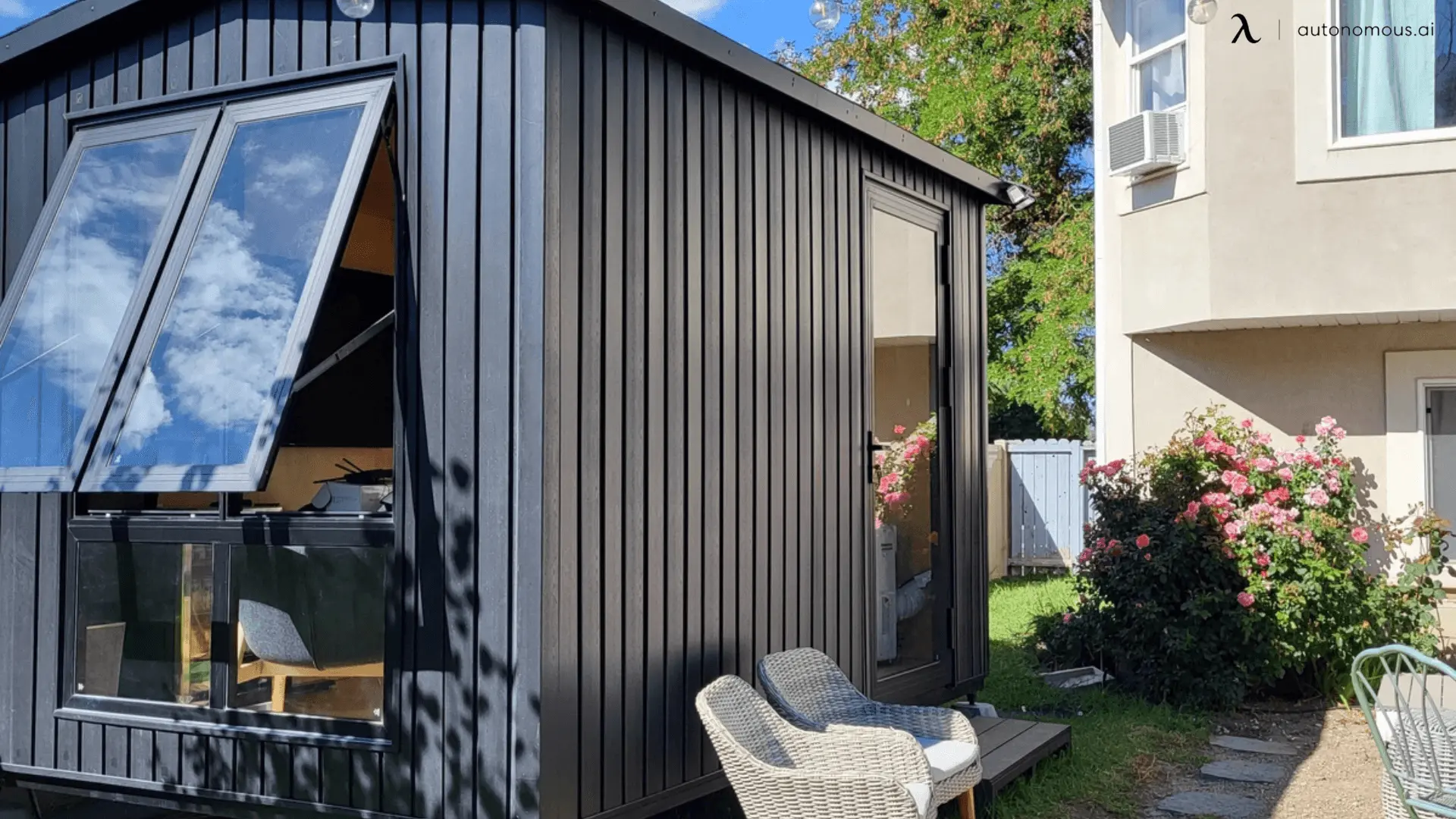
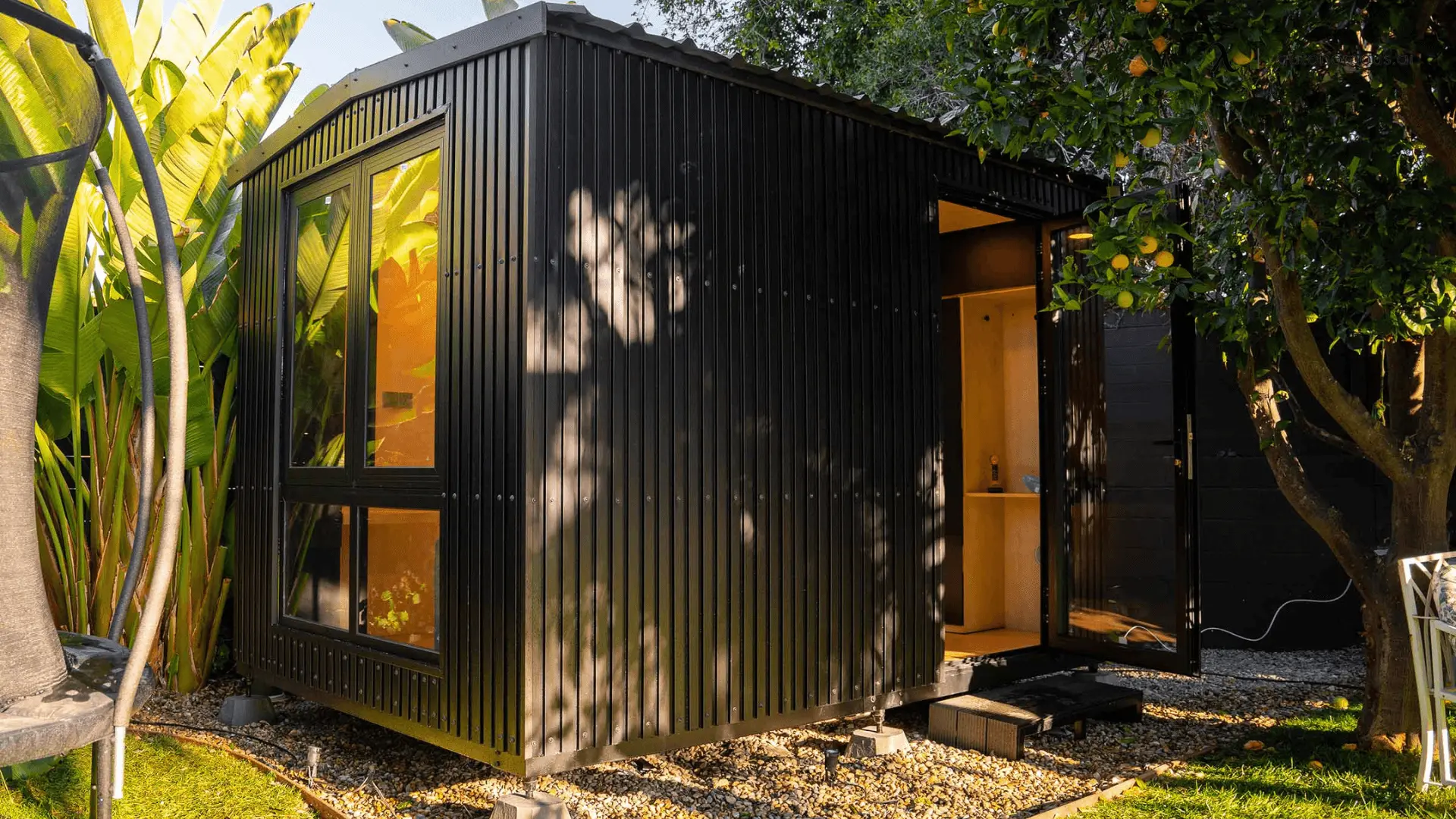
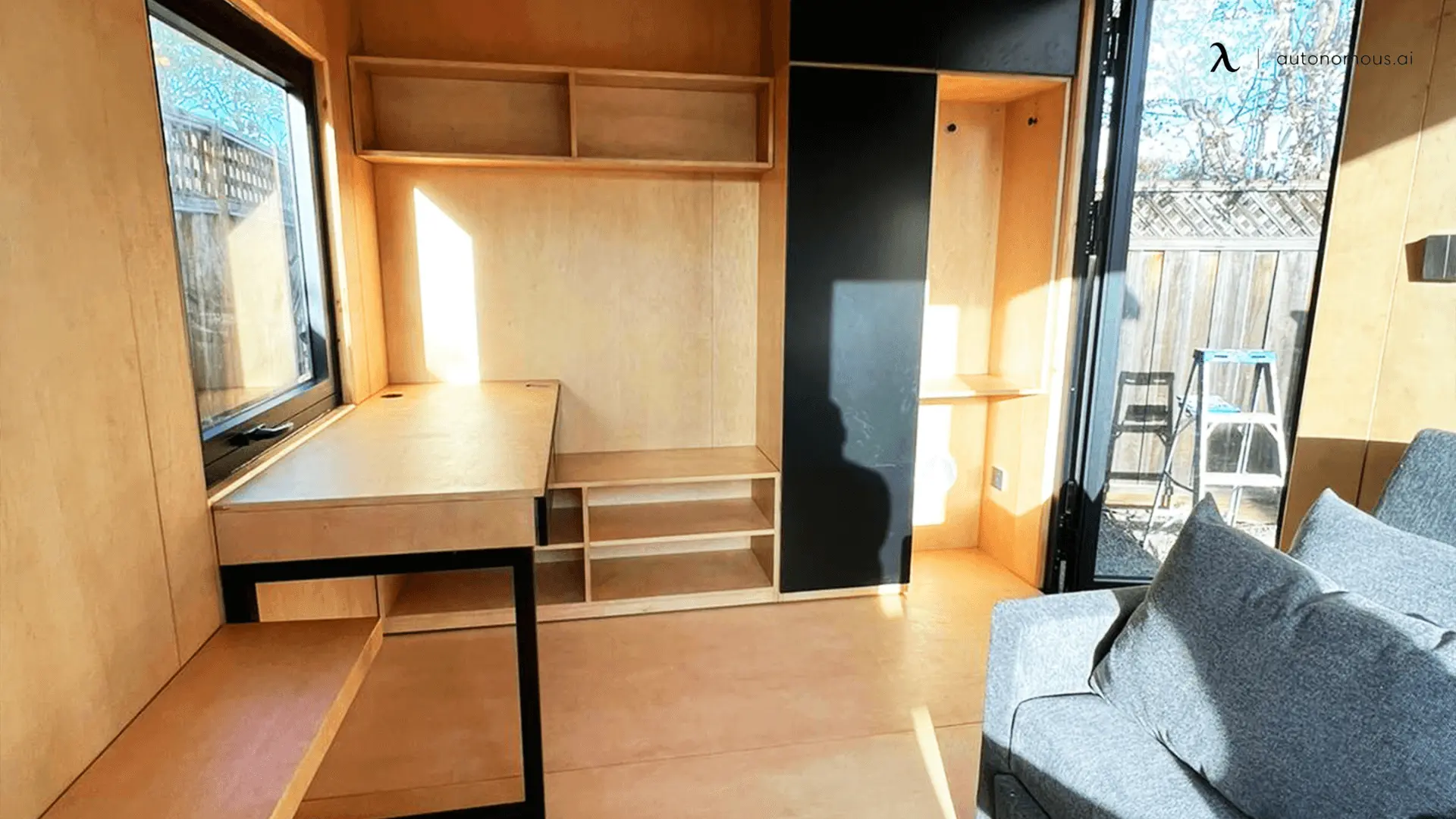
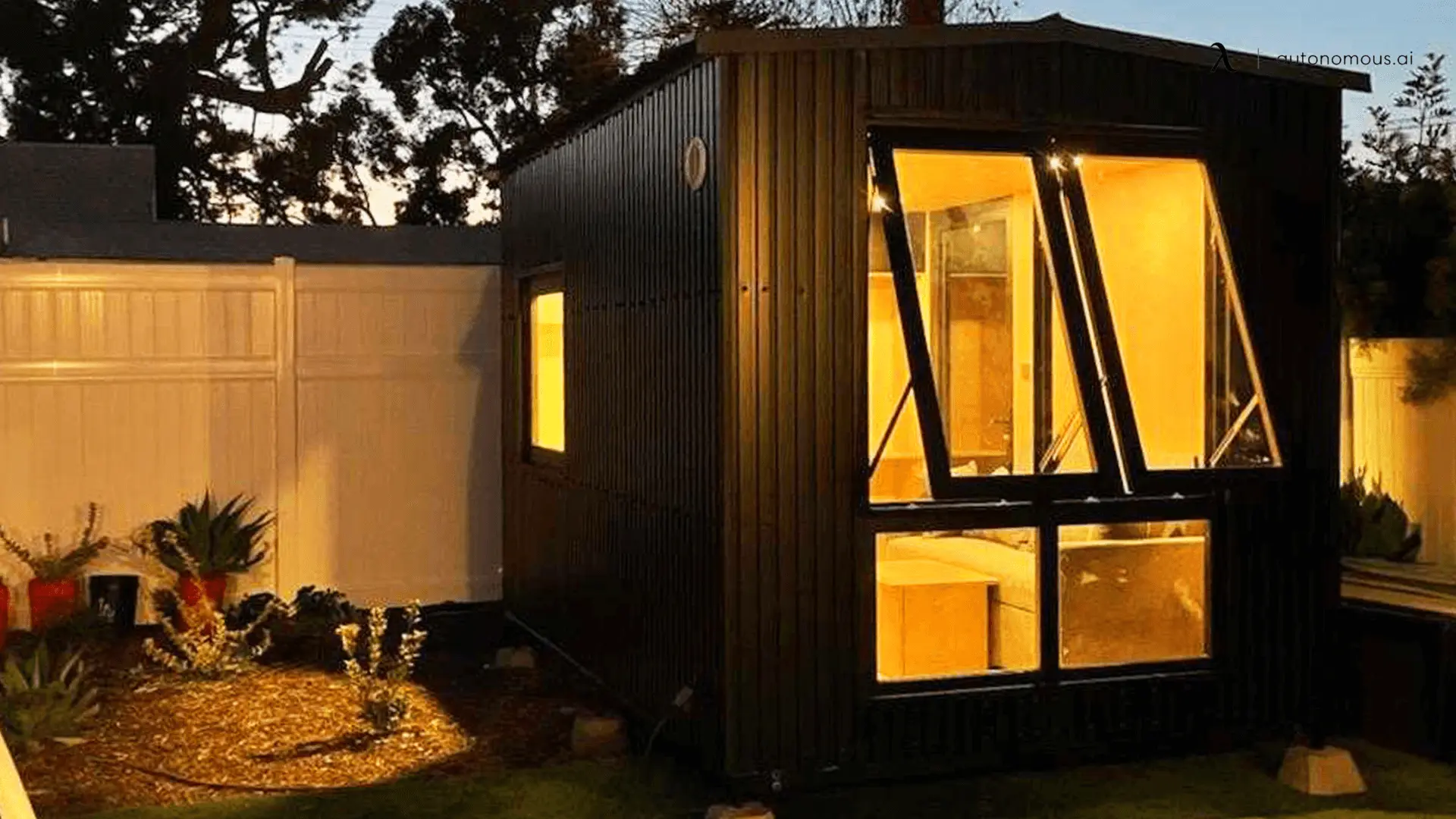
Some backyard structures are designed specifically for lifestyle uses. For example, a backyard music studio can provide a quiet place for recording, practicing instruments, or producing content away from household noise. Others prefer a more general-purpose backyard office setup that supports remote work, meetings, or personal projects.
Compared with building a full ADU, these smaller backyard spaces are typically simpler to install and easier to integrate into existing properties. For many property owners, they offer a practical way to expand usable space while keeping construction and permitting requirements more manageable.

FAQs
What is the maximum shed size without a permit in Miami-Dade County?
In many cases, sheds up to 200 square feet may not require a building permit if they are one story and used for storage. Local zoning rules and setbacks still apply.
Do I need a permit for a shed in Miami-Dade County?
A permit is typically required if the shed exceeds 200 square feet, includes electricity or plumbing, or is attached to the house.
What are the setback requirements for sheds in Miami-Dade County?
Sheds usually must be placed 3–5 feet from side property lines and about 5 feet from rear property lines, depending on zoning regulations.
Can I put electricity in a shed without a permit?
No. Installing electrical systems generally requires an electrical permit and inspection, even if the shed itself is small.
Are ADUs allowed in Miami-Dade County?
Yes, but ADUs must follow local zoning regulations, building permits, and residential construction codes.
Conclusion
Before installing a shed or backyard structure in Miami-Dade County, homeowners should understand local permit rules and zoning regulations. While sheds under 200 square feet may sometimes qualify for permit exemptions, other rules still apply regarding placement, setbacks, and intended use.
ADUs offer a more permanent housing solution but require full permits and compliance with residential building codes. For homeowners who simply need additional space for storage or work, smaller backyard structures can provide a more straightforward alternative.
Understanding the difference between sheds, ADUs, and backyard workspace structures can help property owners choose the solution that best fits their needs.